
Help · for your staff
Close every guest callback
A guest asked for a person. Your team got the note. Close it the right way and that guest is reached, understood, or resolved — not waiting in the next shift’s inbox.
The two emails
You will see one of two notes. Closing them is different.
- A single-guest email is one person at one store — Beaver, SE 14th, Merle Hay, North Ankeny, University, or another location on the same list.
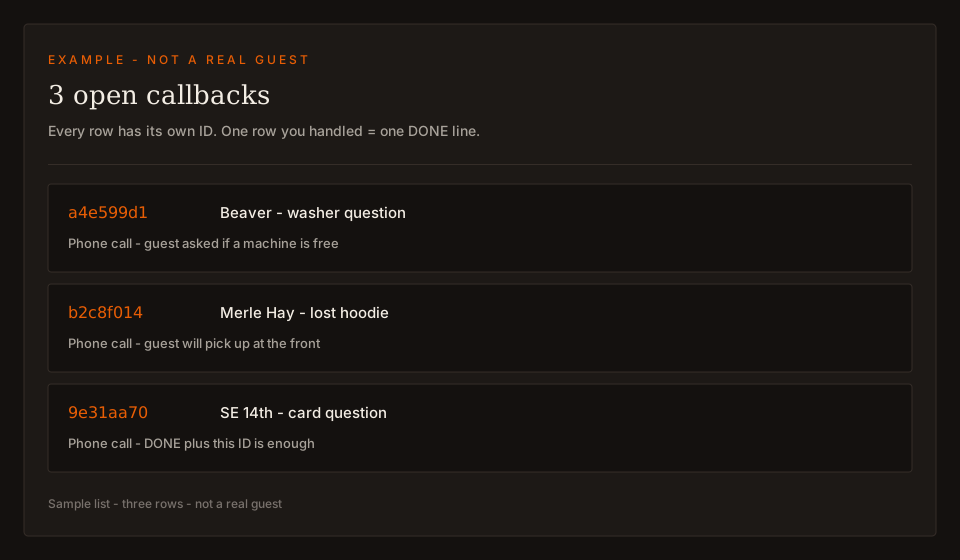
- An open-callbacks email is a list. The subject looks like “12 open callbacks” (the number changes). Every row has its own ID.
How the note reaches you
You may get a text, an email, or a voice call asking you to follow through on an open callback. That is how the note reaches the floor. It is expected.
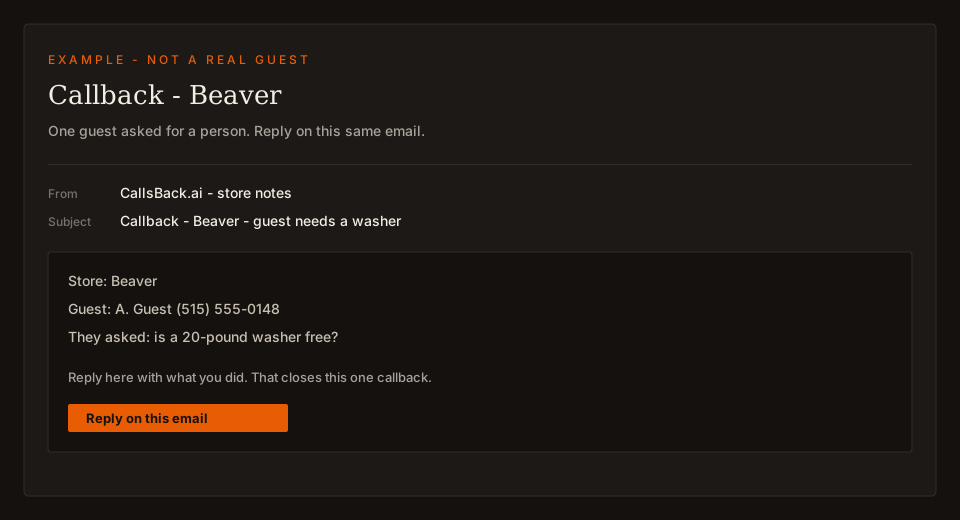
One guest — reply on that same email
When the email is about one guest, reply on that same message. Say what you did — the guest is reached, understood, or resolved. That closes that one callback. You do not need a special code on a single-guest email.
Called them back. Washer is free at Beaver. Guest is happy.Reached them. Lost hoodie is at the front at Merle Hay. Guest is taken care of.Card issue resolved at SE 14th. Guest understood the next step.Could not reach them. Tried twice. University will try again after 5.
The open-callbacks list — one DONE per row
The list email has a row for each open callback. Every row has its own ID, like a4e599d1.
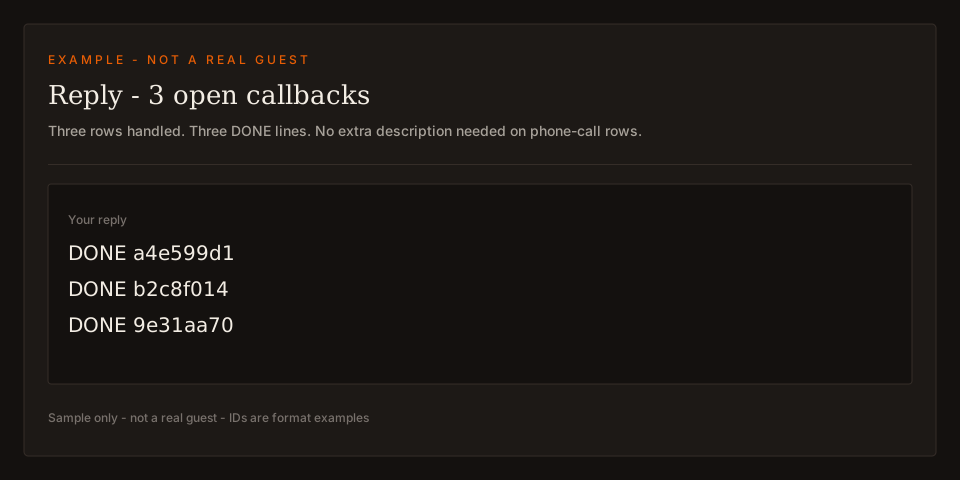
One callback = one DONE line with that ID. If you handled 12 rows, your reply needs 12 DONE lines. Closing one row does not close the rest.
DONE a4e599d1DONE b2c8f014DONE 9e31aa70
Phone-call rows on the list
For rows that came from a phone call, DONE plus the ID is enough. You do not need to write a description under each DONE line.
Rows from a store text
A few rows come from a store text, not a guest phone call. Those may not have a regular call page. Close them the same way: DONE plus the ID.
What does not close a list row
- Writing “everyone is done” or “all done” without DONE IDs.
- Sending only one DONE line when many rows are still open.
- Closing one row and assuming the rest closed with it.